How HTTP Works
What really happens when your browser asks a server for a page
What you'll learn
- The parts of an HTTP request and response
- What GET, POST, PUT, PATCH and DELETE do
- What the status code ranges mean
- Statelessness, cookies, and HTTPS
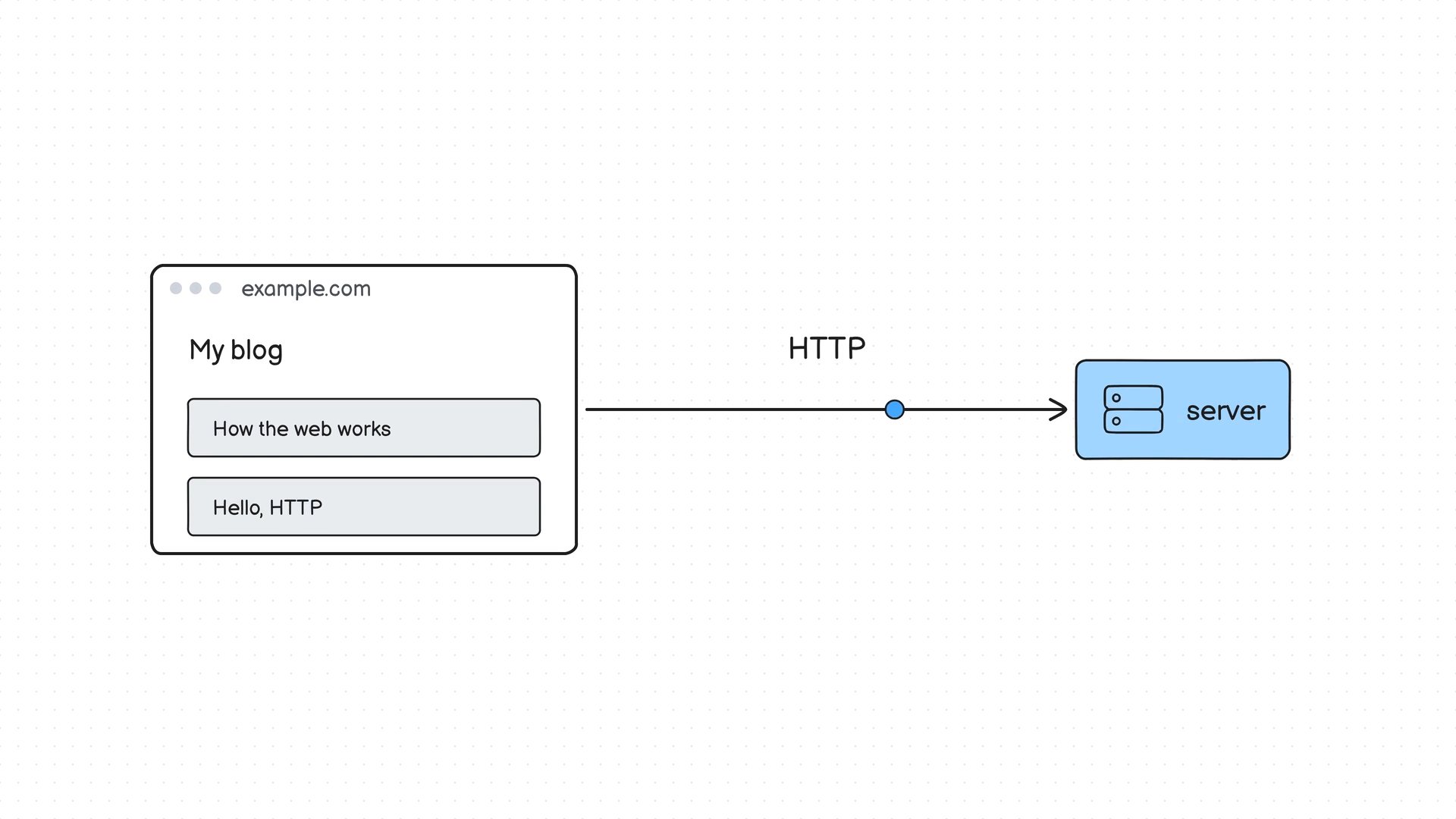
In this video, we'll look at how HTTP (Hypertext Transfer Protocol) works and how your browser talks to a server every time you open a website. We'll cover requests and responses, methods like GET, POST, PUT, PATCH, and DELETE, and status codes like 200, 404, and 500.
We'll also look at headers and bodies, why HTTP doesn't remember anything between requests, how cookies and tokens tell the server who you are, and what the S in HTTPS adds.
By the end, you'll understand what happens behind the scenes when your browser talks to a server.